/CGLUX (Definitivo)-13.png)
Cartagena de Indias consistently ranks among the most visited cities in Latin America — a distinction it has held for decades and that continues to grow with each passing year. In 2023, the city welcomed over 1.5 million international visitors. It has been named one of the world's top travel destinations by Condé Nast Traveler, National Geographic, and Lonely Planet. Nobel laureate Gabriel García Márquez set his greatest novels here. UNESCO declared its walled city a World Heritage Site in 1984.
Numbers and accolades, however, do not fully explain why Cartagena draws the kind of visitors it does — or why those visitors return. The answer is more specific than "it's beautiful" and more honest than marketing copy. This article is about the real reasons.
A City That Has Earned Its Reputation
Most cities that attract mass tourism do so through a single feature — a monument, a coastline, a famous event. Cartagena's appeal is structural. It offers, simultaneously, one of the best-preserved colonial cities in the Americas, direct access to the Caribbean Sea and its islands, a vibrant cultural identity with African, Spanish, and indigenous roots, and a hospitality infrastructure that has grown significantly in sophistication over the past two decades.
That convergence — history, sea, culture, and comfort — is unusual. Cities with comparable colonial heritage (Havana, Antigua, Old San Juan) tend to lack at least one of those elements. Cities with comparable Caribbean access tend to lack the depth of urban culture. Cartagena has all of them within a short distance of the same front door.
The UNESCO Factor
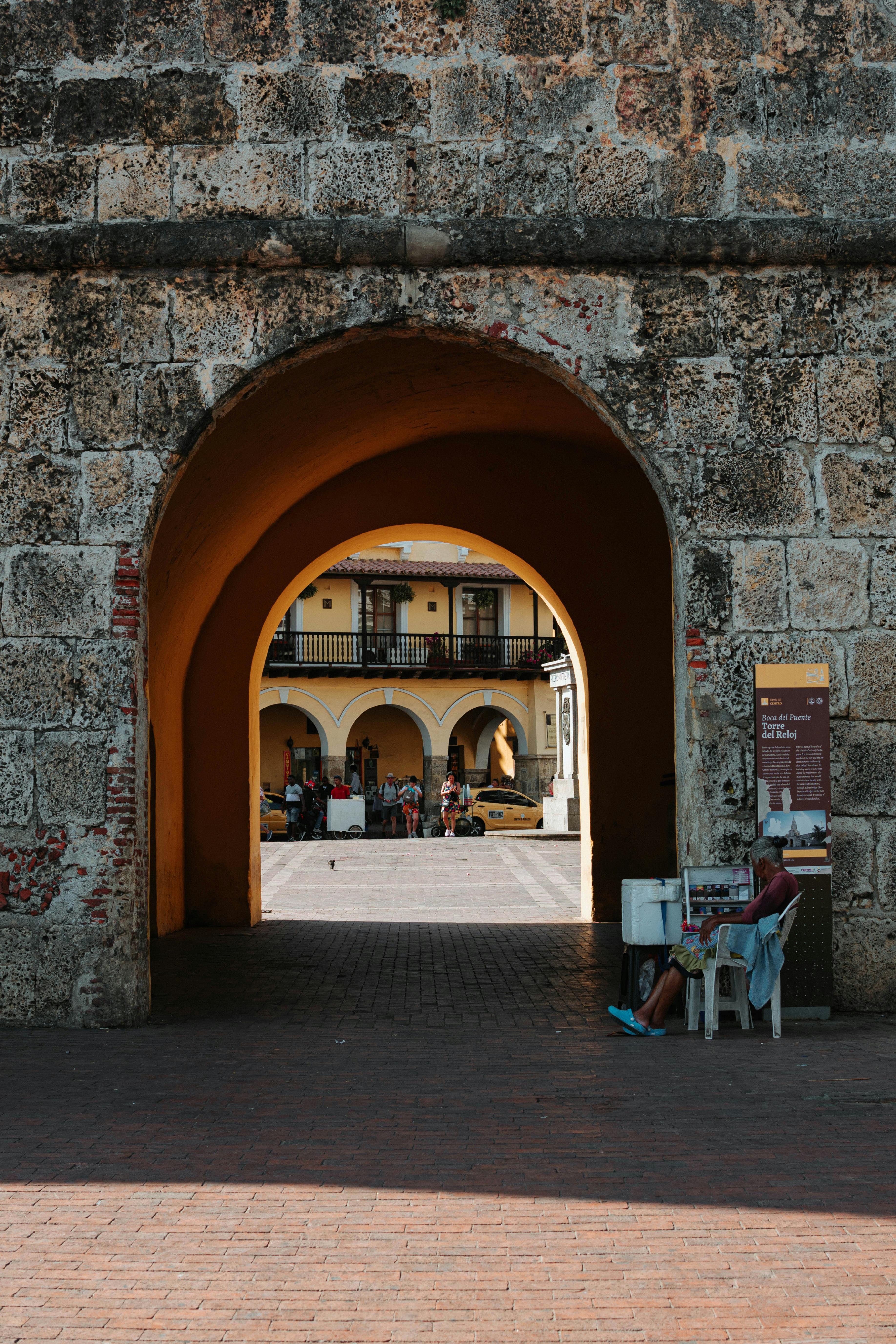
The designation of Cartagena's historic center and fortifications as a UNESCO World Heritage Site was not ceremonial. The walled city and its ring of colonial fortifications represent one of the largest and best-preserved military architectural ensembles in the Americas. The walls were begun in the 16th century and completed over more than 200 years of construction — a physical record of four centuries of colonial power, trade, and conflict.
What UNESCO recognition did, practically, was direct international conservation funding and attention toward a city that might otherwise have developed over its historic fabric. The result is a walled city that has been restored rather than replaced — a genuine urban artifact rather than a theme park recreation of one. Walking the walls at sunset is one of the few remaining experiences in the world that genuinely feels like stepping backward in time.
The Caribbean Advantage
Cartagena is the only major historic colonial city in Latin America with direct and immediate access to the open Caribbean Sea. Bogotá, Medellín, Quito, Lima, and Mexico City are all inland. Havana faces the Florida Straits but is constrained by its geography and political economy. Cartagena opens directly onto coral archipelagos, turquoise water, and one of the most biologically rich marine ecosystems in the region.
The Rosario Islands, 35 kilometers offshore, are part of a protected national park with coral formations, clear water, and a network of uninhabited islands that reward private exploration. The combination of city and sea — being able to spend a morning in a 17th-century courtyard and an afternoon on a Caribbean sandbar — is a travel itinerary that simply does not exist anywhere else in South America.
Culture Unlike Anywhere Else in the Region
Cartagena's cultural identity is the product of a collision of three worlds — Spanish colonial, West African, and indigenous Caribbean — that has produced something genuinely singular. The city was one of the primary points of entry for the transatlantic slave trade in South America, and the African cultural inheritance is not a remnant but a living presence: in the music (champeta, cumbia, vallenato), in the food, in the spiritual traditions, in the presence of the Palenqueras — women descended from the first free Black community in the Americas — who move through the streets of the old town as both cultural ambassadors and daily workers.
"Cartagena's cultural identity is not a museum piece. It is a living city that has never stopped being inhabited, contested, and reinvented."
This is a city that Gabriel García Márquez used as the setting for Love in the Time of Cholera because it contained, in his view, everything: beauty and decay, passion and formality, the Old World and the New. That is still true. The city's complexity — its inequalities as well as its elegance — is part of what makes it compelling to people who want more than a resort.
Gastronomy That Has Reached International Recognition
Colombian cuisine, once largely unknown outside the country, has emerged over the past decade as one of the most discussed in Latin America. Cartagena has been at the center of that emergence. The city's restaurants — from historic-mansion dining rooms to innovative contemporary kitchens — have attracted international press, Michelin recognition, and a generation of chefs who chose the city specifically for its ingredients, its harbor access, and its aesthetic.
The Caribbean coast's larder is exceptional: fresh fish and shellfish from the archipelagos, tropical fruits that reach ripeness unavailable at any latitude north of the equator, rice traditions with African roots, and a seasoning culture built around ají, coconut, and lime that is distinct from anything else in the country. Eating well in Cartagena requires almost no effort. Eating at the highest level requires the right introductions.
The Rise of Luxury Tourism
Cartagena's evolution from a backpacker destination into one of Latin America's premier luxury travel cities has been one of the most significant transformations in regional tourism over the past 15 years. Historic mansions in the walled city have been converted into boutique hotels of international standard. Private villa rental has grown into a substantial market. Yacht charters, private chef experiences, and curated concierge services have matured into a genuine industry.
The driver of this transformation is the city itself: its extraordinary architecture, its human scale, its walkability, and its combination of intimacy and grandeur. Unlike resort destinations built from scratch, Cartagena offers luxury within a context — a city with 500 years of stories, where a private rooftop dinner overlooks the same bay where Spanish galleons anchored with the gold of a continent.
That context is what consistently brings back the most discerning travelers — and what makes Cartagena genuinely irreplaceable among the destinations of the world.
/CGLUX (Definitivo)-12.png)